First-impression review · UPLIFT Desk Sequence

UPLIFT Sequence Shelves ReviewI Built One (2026)

Recommended

No wobble, a 15-year warranty, and shelving that reads as furniture. Is it worth it? The full verdict after building the Triple Short, and where the money actually goes.

From $349+ for a single Short Shelf · about $949 as reviewed (Triple Short)

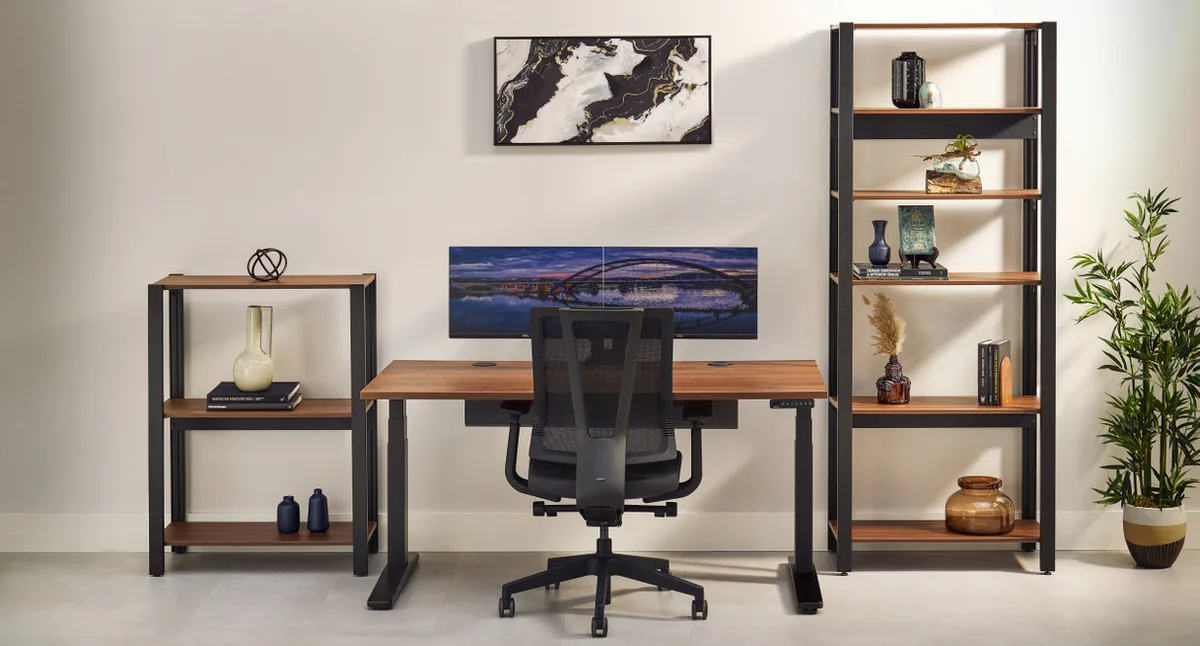
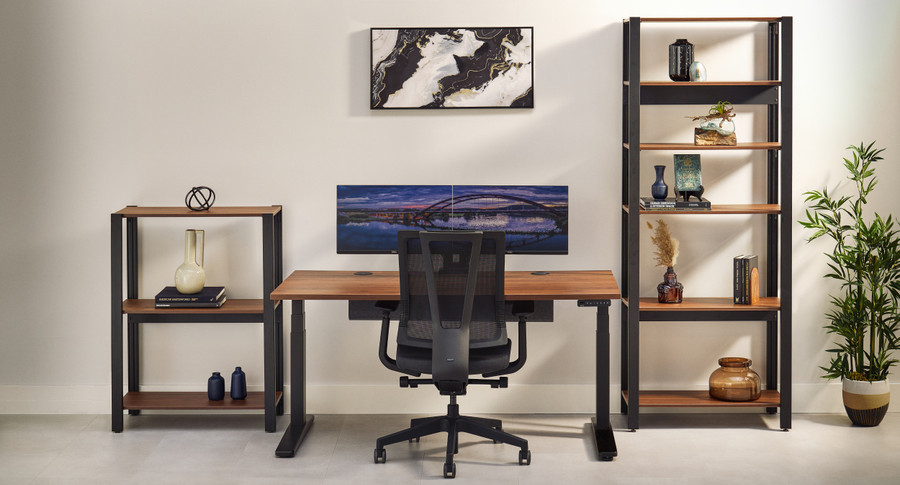
Short and tall UPLIFT Sequence Shelves configurations in walnut flanking a standing desk in a home office

Disclosure: UPLIFT Desk provided these shelves at no cost for review. All opinions are my own. This post contains affiliate links.

By Matt Jachera, Founder, WorkstationSetup.com · Updated July 23, 2026

Matt Jachera is the founder of WorkstationSetup.com. He documents his hands-on UPLIFT workstation and analyzes other home-office gear through verified specifications and clearly labeled research.

At the end of May I unboxed the UPLIFT Sequence Shelves and promised a full review once the Triple Short build was done. This is that review. The unboxing covered the box, the parts, and the assembly, with photos of every stage. This one covers the verdict: why the modular system is the reason to buy, where the money actually goes, and how it stacks up against the $50 flat pack alternative.

Short version: the Sequence Shelves are to storage what my UPLIFT Parsons is to desks. They don't look like office gear, they don't wobble, and between the aluminum and steel frame, the modular design, and the 15-year warranty, this is shelving you buy once and stop thinking about.

Bottom linethe verdict in four cards

Build quality

Aluminum posts and steel shelf supports with no wobble or flex once assembled. The bays share uprights, so the whole unit moves as one piece or not at all. It's the most solid shelving I've owned.

Best feature

The system. You configure the exact shape your wall needs, in short or tall heights and five laminates or bamboo, and you can expand or reconfigure it later instead of replacing it.

Watch out for

Width is where the money goes. A single Short Shelf starts at $349+, and my three bay Triple Short came to about $949 as configured.

Who it's for

Anyone who wants sturdy shelving that reads as furniture and grows with the room. Start with the bay count your wall fits and add on later.

What we like

  • No wobble or flex once assembled, and the bays move as one piece
  • Reads as furniture, not office storage, in five laminates or bamboo
  • Modular design expands or reconfigures as the room changes
  • Hardware fit is precise and nothing needed forcing during the build
  • 15-year warranty

Heads up

  • Width is expensive, and three bays cost far more than one
  • The box and the all-configurations manual make it look harder than it is
  • Open shelving displays your clutter and the wall behind it
  • You want a power drill for the build
UPLIFT Sequence Shelves

UPLIFT Sequence Shelves

Anyone who wants sturdy, modular open shelving that looks like furniture in a home office or living space

$349
  • Extremely sturdy and solid once assembled, with no wobble
  • Parts fit together precisely; assembly is intuitive once you begin
  • Clean, furniture-grade look that suits living spaces, not just offices
  • Modular design lets you reconfigure or expand later
Check today's price

Sold by UPLIFT Desk · official store price

50 lbper shelf, open span
15 yrwarranty
30 inper bay
40 / 76 inshort or tall
Alu + steelpowder coated frame

Storage That Doesn't Look Like Office Storage

Are the Sequence Shelves worth it? Yes, and the reason is durability you can point at: an aluminum and steel frame instead of particleboard, a 50 pound open-span rating per shelf, and a 15-year warranty. This is shelving built to outlast the desk it sits next to, and the modular design means the unit you buy today can change shape instead of getting replaced. The honest math against a cheap flat pack unit is below, because that comparison is the one every buyer should run.

The reason I keep comparing these to the Parsons desk is that both products solve the same problem from different directions. Most home office furniture announces itself. Steel filing cabinets, wire racks, particleboard bookcases with visible cam locks. The Sequence Shelves read as a long, low credenza. The Ash Gray laminate and black frame combination I built looks like something you'd pick for a living room, and the line offers Walnut, White, Black, and Maple laminates plus bamboo if Ash Gray isn't your room.

Configurationsbuy the shape of your wall

Which Sequence Configuration Should You Buy

This is where the Sequence line earns its keep. It's one system in several shapes, so you buy the exact storage your wall needs instead of the closest size a store happens to stock. The right starting point is the wall you're filling:

Single Short

Testing the waters: a single Short Shelf at $349+ gets you the finish and build quality in the smallest footprint.

Configure at UPLIFT

Triple Short

As reviewed

A long, low run: the Triple Short I built, about $949 as configured, works as a credenza, media console, or bookshelf line under a window.

Configure at UPLIFT

Tall or room divider

Vertical storage or a room divider: the 76 inch Tall units, which also take UPLIFT's PET felt panels on the back for sound absorption and visual separation.

Configure at UPLIFT

Tall + Short mix

A mixed wall: the Tall and Short combination steps the height around desks and windows.

Configure at UPLIFT

Diagrams show layout proportions only.

One thing the configurator won't warn you about: footprint. Three bays of 30 inch shelves need roughly seven and a half feet of uninterrupted wall, and rooms with that much open run are rarer than they sound once you subtract windows, doors, vents, and the outlets you still want to reach. Measure the wall before you pick a width, not after the box arrives.

The flip side of all that shared structure is that an assembled run is not furniture you casually slide around. The interconnected bays that keep it from wobbling also make it a commitment to a spot. Treat placing it like placing a couch: decide first, build it there, and plan to leave it.

Because the bays share uprights, expanding later means adding to the structure you own instead of buying a second unit that almost matches. Order the same finish and frame color and the expansion disappears into the original.

Finishes · Ash Gray · as reviewed

Walnut
White
Black
Ash Gray
Maple
Bamboo +$50

Chips show representative colors. See UPLIFT for finish photography.

How Much Weight the Shelves Take

UPLIFT rates each shelf at 50 pounds, and unlike a lot of shelving specs, that number describes an open span with no back panel helping out. The frame does all the work.

What I can say from the build stands on its own: when I assembled this unit, nothing about it flexed, and I wrote at the time that it was the most solid shelving I'd owned. That impression came from the structure, not the newness. The bays share uprights, so loading one bay stiffens its neighbor instead of stressing it.

For most home office loads, books are the only thing likely to approach the rating. A full 30 inch run of hardcovers is the case worth weighing before you plan a library wall, and it's also the load that separates this frame from particleboard shelving, where a span that wide sags long before it fails.

the most solid shelving I'd owned
From the build, documented in the unboxing

The Video Call Background Test

A long, low shelf unit behind your desk chair is either the best thing that ever happened to your camera background or a liability, and it depends entirely on what you put on it. Open shelving has no doors to hide behind, so whatever lives on the bays is part of every meeting.

The Short height works in your favor here. At about 40 inches, the unit sits below standing sightline and reads on camera as a clean horizontal line instead of a wall of stuff. Style the one or two bays the camera sees and let the rest work for a living. If your setup needs more help than furniture can give, the video call desk setup guide covers the camera, lighting, and audio side.

The value questionthe section a brand site won't write

The $50 Shelf Question

Here's the section a brand site won't write. IKEA's Kallax 2x2 runs about $50. A single Sequence Short Shelf starts at $349+. That's roughly seven times the price, and if the job is holding objects off the floor, the Kallax does it. So what does the difference buy? Four things I can defend.

The $50 flat pack

  • Particleboard construction
  • Reads as cube storage
  • Replace it when the room changes
  • No comparable warranty offered
  • Its honest win: light enough to shove around the room by yourself. A Sequence run is planted, and planted cuts both ways.

Sequence

  • Aluminum and steel frame, which is why the 50 pound open-span rating exists and why nothing wobbles
  • Proportions and finishes that read as furniture
  • Expands and reconfigures as the room changes
  • 15-year warranty

So route yourself honestly. Shelving a closet or garage nobody sees? The cheap unit is fine there. Storing mostly paper? Closed drawers do that job better, covered in the UPLIFT storage accessories guide. But if the shelves will live anywhere people or cameras look, and you'd rather buy storage once than replace particleboard every few years, the Sequence is the version of this purchase you don't revisit.

See Sequence configurations

What I'd Change

The manual still covers every configuration in one booklet. I said it in the unboxing and I'll repeat it here: identifying your layout and ignoring the rest is the single most useful assembly tip, and it shouldn't have to be a tip. A per-configuration insert or a QR code per layout would fix the most intimidating part of the product.

Width pricing deserves a clearer picture upfront. The jump from one bay to three added $600 to my build. It's defensible, since each bay adds frame and shelf material, but you should walk into the configurator knowing the shape of the curve.

The open back is a design choice, not a flaw, but it means the wall behind the unit and every cable that crosses it is part of the look. Plan for that before you park it in front of an outlet cluster.

the box is intimidating, the build is not
Assembly, revisited

Assembly, Revisited

The full build story, with photos of every stage, is in the Sequence Shelves unboxing. The short version holds up: the box is intimidating, the build is not. Parts fit precisely, nothing needed forcing, and a power drill turns an afternoon project into an hour or two.

UPLIFT Sequence Shelves Key Specs

SpecDetail
HeightsShort at 40 inches, Tall at 76 inches
Shelf width30 inches per bay
Capacity50 pounds per shelf
FrameAluminum posts and steel shelf supports, powder coated, black or white
Shelf finishesWalnut, White, Black, Ash Gray, or Maple laminate; bamboo for $50 more
Acoustic optionPET felt back panels for Tall units
Warranty15 years
Starting price$349+ (single Short Shelf)
As reviewedTriple Short, Ash Gray laminate, black frame, about $949
Check current configuration pricing at UPLIFT

Frequently Asked Questions

How much weight can the UPLIFT Sequence Shelves hold?

UPLIFT rates each shelf at 50 pounds, and that rating describes an open span with no back panel assisting. For most home office loads, books are the only thing likely to approach the rating, and a full 30 inch run of hardcovers is the case worth weighing before you plan a library wall.

Do the Sequence Shelves need to be anchored to the wall?

The 40 inch Short units are freestanding, wider than they are tall, and planted once assembled. For the 76 inch Tall units, or any home with climbing kids, treat wall anchoring the way you would for any tall bookcase and follow the manual's guidance for your configuration.

Which Sequence Shelves configuration should you buy first?

Buy the shape of the wall you're filling, not the biggest unit. A single Short Shelf is the cheapest way to confirm the finish and build quality in your room. If you already know you want a long credenza line, going straight to the Double or Triple Short costs less than buying bays twice.

Can you add more bays later?

Yes. The system is modular, and bays share uprights, so expansion adds to the unit you own rather than starting over. Order the same finish and frame color if you want the expansion to disappear into the original.

Can the Sequence Shelves work as a room divider?

The Tall 76 inch configurations are the divider play, especially with UPLIFT's PET felt panels on the back for sound absorption and privacy. The Short units sit below standing sightline, so they read as a low boundary, not a wall substitute.

Should you get laminate or bamboo shelves?

Bamboo costs $50 more and reads warmer and more organic. The laminates come in five colors and are the practical pick for matching an existing desk. The Ash Gray with a black frame that I built reads clean and furniture grade in person.

How do the Sequence Shelves compare to an IKEA Kallax?

The Kallax wins on price by a wide margin and holds objects fine. The Sequence Shelves win on structure, open sightlines, finish, expandability, and warranty. If the shelving is visible furniture in your office, the difference is the product. If it's hidden storage, it isn't.

What's the difference between Sequence Shelves and UPLIFT's MoPac line?

Sequence is open display shelving. MoPac is UPLIFT's closed storage line, with cabinet doors and bookcase modules that hide their contents. Choose by whether the things you're storing should be visible. Messy supplies belong behind MoPac doors, and books, decor, and anything camera-worthy belong on open Sequence bays.
Should You Buy the Sequence Shelves?

If you've read this far, the decision comes down to one question: do you want shelving you'll still own in ten years? The aluminum and steel frame, the precise hardware, and the 15-year warranty all point the same direction. This is storage built like furniture, and the modular system means it adapts when your room does: add a bay, go taller, change the shape. You configure it once to fit your wall, and it keeps fitting.

The Sequence Shelves start at $349+ for a single Short Shelf, which is the low-risk way to get the build quality and finish in your room. Measure your wall, pick the shape it can hold, and let the system grow from there.

Check today's price at UPLIFT

Related guides